
Grief Is Sacred Ground: Walking Through Loss With God
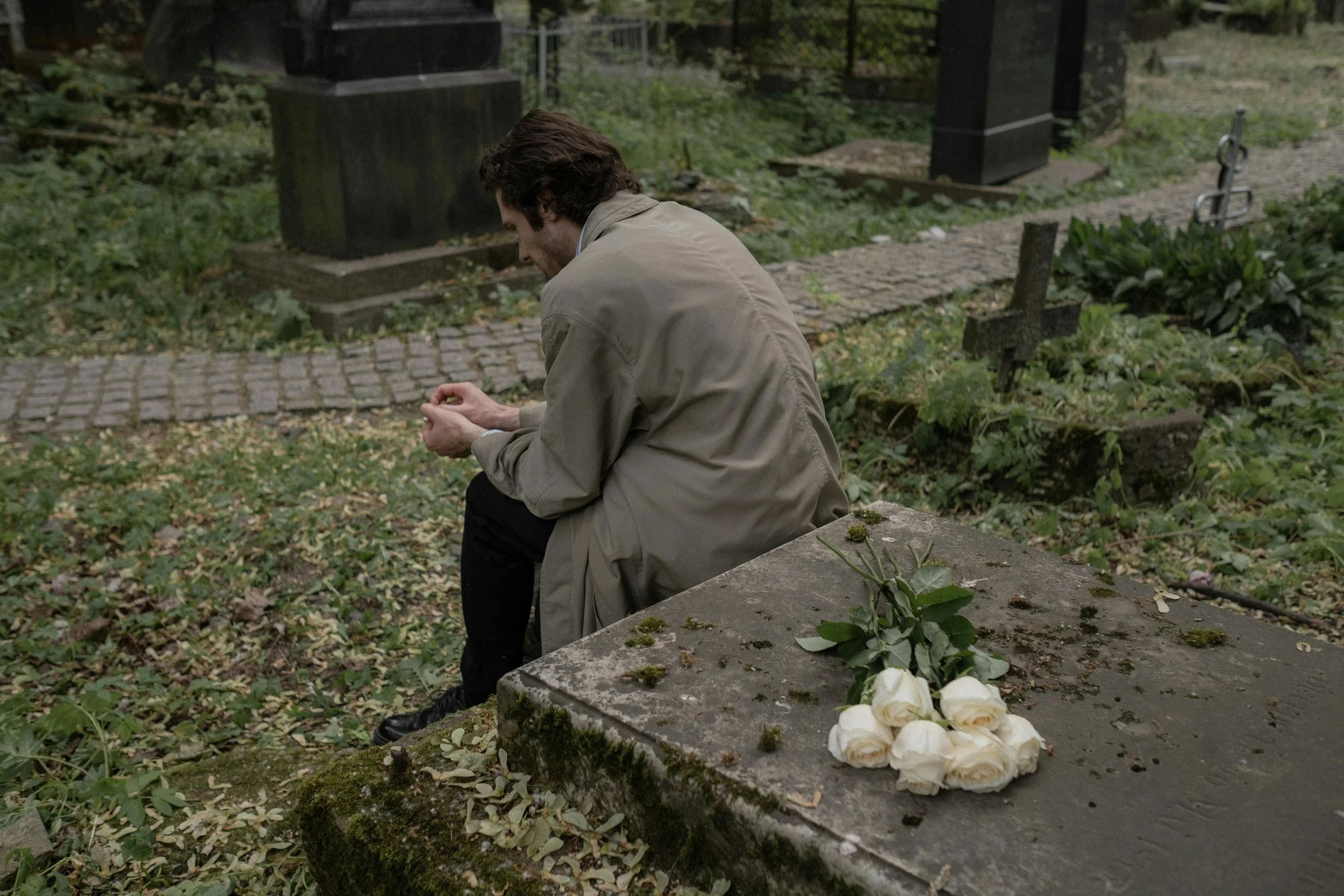
There are moments in life that divide time — before and after.
Before the loss, life feels whole, predictable, connected.
After, it feels like the air has been knocked out of you.
Grief has a way of slowing everything down. It strips away what’s shallow and leaves only what’s real.
And while our culture often rushes us to “move on,” God invites us to something far deeper: to walk with Him through the valley, not around it.
Because grief isn’t evidence that your faith is weak — it’s evidence that your love was deep.
1. Grief Is Not Linear — It’s a Journey
You don’t heal from loss in a straight line.
There’s no neat sequence of stages that ends in closure.
Real grief moves like waves — calm one moment, overwhelming the next.
Some days, you’ll feel functional. Other days, you’ll feel undone by a song, a smell, or a memory.
That’s not regression. That’s humanity.
In 12 Habits for a Sound Mind and Joyful Life, Diane Arnold writes that grief is sacred work — an emotional and spiritual process that integrates love and loss.
It’s not something to fix; it’s something to honor.
Healing begins not by denying pain, but by allowing yourself to feel it in the presence of God.
2. God Doesn’t Rush Your Grief
The world says, “Get over it.”
God says, “Come to Me.”
When Jesus arrived at Lazarus’s tomb, He didn’t offer clichés. He wept.
The Son of God, fully aware that resurrection was minutes away, still made space for tears.
That means grief doesn’t offend God — it moves Him.
He doesn’t scold your sadness or shame your questions. He meets you there, in the raw honesty of loss, and whispers, “I’m here. Still.”
“The Lord is close to the brokenhearted and saves those who are crushed in spirit.” — Psalm 34:18
3. The Emotional Work of Grief
In Habit 7 of 12 Habits, Diane explores how grief involves both emotional and spiritual processing.
To move through it, we must learn to balance two things at once: remembering and rebuilding.
Here are a few reflections from the book to guide that process:
1. Name what you’ve lost.
It’s not just people we grieve. It’s dreams, routines, seasons of life.
Naming loss helps validate your pain and gives language to what feels invisible.
2. Allow yourself to feel.
Avoiding grief doesn’t protect you — it prolongs your suffering.
Healing comes when we allow emotions to move through us instead of getting stuck inside us.
3. Share your story in safe spaces.
Healing is communal. Whether in counseling, support groups, or prayer circles, your story needs witnesses.
Grief loses some of its power when it’s spoken aloud.
4. The Spiritual Invitation Hidden in Loss
Loss shakes what’s temporary so that we can rediscover what’s eternal.
It reminds us that our hope has never been in circumstances — it’s been in Christ.
When everything familiar falls apart, what remains is His presence.
Even when you can’t feel it, He’s still holding the edges of your story together.
The process of grief invites us to trust again — to believe that love can outlive loss, and that peace can coexist with pain.
Because in God’s hands, even sorrow becomes seed.
Out of mourning, He grows compassion.
Out of heartbreak, He grows empathy.
Out of endings, He writes redemption.
5. Helping Someone Who’s Grieving
If someone you love is grieving, remember — presence heals more than words.
Here are simple, sacred ways to show up:
Listen without fixing.
Say their loved one’s name.
Offer help in practical ways (meals, errands, childcare).
Keep checking in long after the funeral.
Pray — not just for them, but with them.
Grief doesn’t need solutions. It needs companionship.
6. There’s Still Life After Loss
Healing doesn’t mean forgetting.
It means carrying love forward in a new way.
It means living in such a way that honors the story that shaped you — while trusting God to write the next one.
Grief isn’t wasted when it draws you closer to the heart of God.
And every tear that falls becomes part of His redemption story.
So if you’re in that valley today — breathe.
You don’t have to rush your healing. You just have to keep walking.
Because God is walking with you.
“The Lord is close to the brokenhearted and saves those who are crushed in spirit.” — Psalm 34:18